
Making Cepelinai and Šaltibarščiai at Home
Master two iconic Lithuanian dishes with our step-by-step guide to traditional preparation and modern techniques
Why Make These Dishes at Home?
Cepelinai and šaltibarščiai aren't just food — they're connections to Lithuanian tradition. When you're making them in your own kitchen, you're participating in something generations of families have done. These recipes aren't difficult, but they do require attention and a bit of patience. The good news? Once you've made them once, you'll understand why they're worth the effort.
Both dishes come together best when you're not rushing. Set aside an afternoon, gather your ingredients, and you'll end up with meals that taste infinitely better than anything you'd order out. Plus, there's something genuinely satisfying about serving food you've made completely from scratch.
Cepelinai: The Potato Dumpling Heart
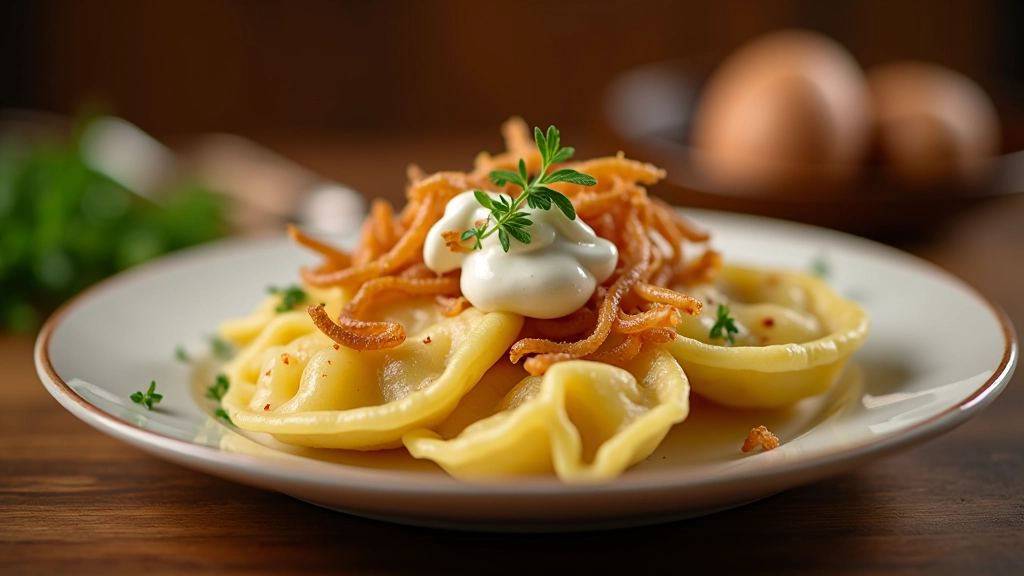
Cepelinai are zeppelin-shaped potato dumplings filled with meat, mushrooms, or cheese. They're soft, slightly chewy, and absolutely filling. The name comes from their resemblance to German zeppelins, which makes sense when you see them on the plate.
Prepare the Potatoes
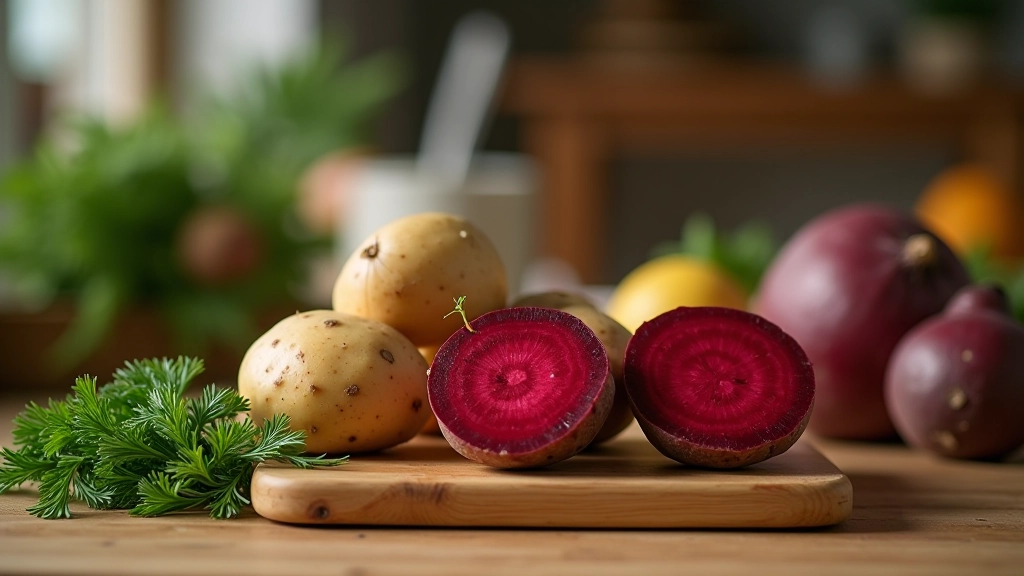
Peel 3 kg of starchy potatoes and boil half of them until tender. Grate the remaining raw potatoes immediately and squeeze out excess moisture using a clean kitchen towel. Mix the grated raw potatoes with the cooled boiled ones.
Make the Filling
Brown 500g of ground meat with diced onions until cooked through. Add salt, pepper, and a pinch of nutmeg. Let it cool before using — warm filling will break the potato dough.
Form the Dumplings
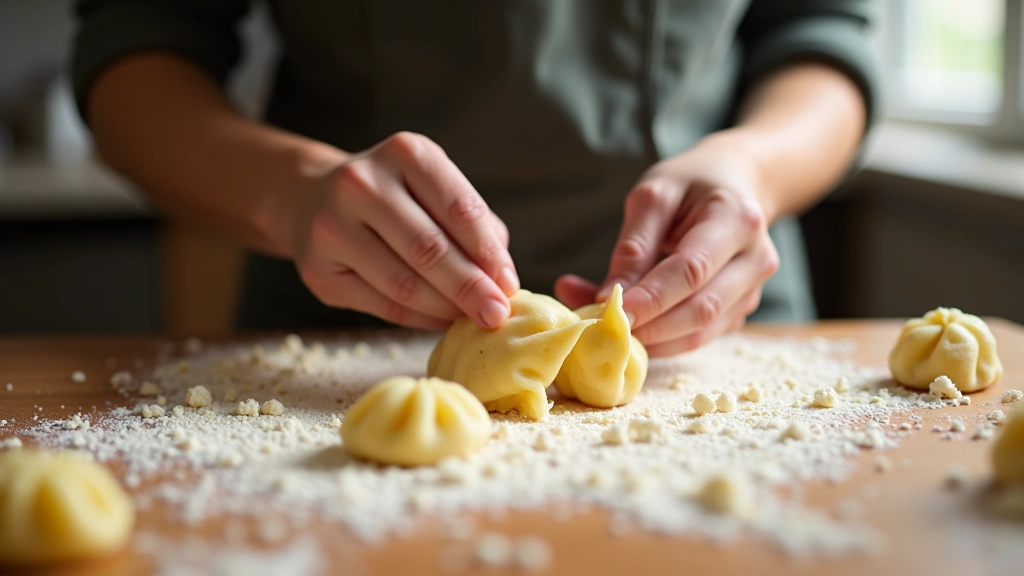
Shape the potato mixture into ovals about the size of a small fist. Create a pocket in each one and stuff with meat filling, then seal. This is where most of the work happens — wet hands help prevent sticking.
Cook and Serve
Boil in salted water for about 15 minutes until they float and stay on the surface for 2-3 minutes. Serve hot with sour cream and caramelized onions on top.
A Note on Food Safety
This article is for informational and educational purposes. Always follow proper food safety guidelines when preparing dishes with raw or cooked meat. If you have allergies or dietary restrictions, adjust recipes accordingly. When in doubt about cooking times or ingredient substitutions, consult reliable culinary references or food safety resources.
Šaltibarščiai: The Refreshing Cold Soup
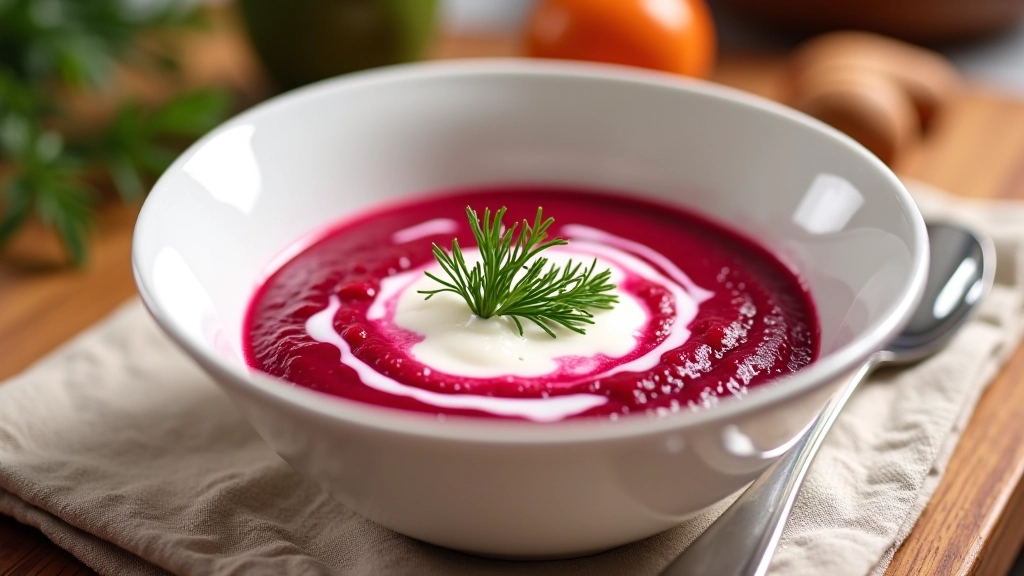
Šaltibarščiai is a cold beet soup that's popular during warm months. It's vibrant, slightly sweet, and incredibly refreshing. You'll serve it chilled, often with a dollop of sour cream and fresh dill. Don't let the simplicity fool you — this soup represents everything good about Lithuanian summer cooking.
Essential Ingredients
- 4-5 medium beets, cooked and diced
- 3-4 cucumbers, peeled and diced
- 3 spring onions, chopped finely
- 2 medium potatoes, boiled and diced
- 1.5 liters of vegetable or beef broth
- 3 tablespoons fresh dill, chopped
- 2 tablespoons vinegar or lemon juice
- Salt and pepper to taste
- Sour cream for serving
The process is straightforward. Combine your cooked vegetables in a large bowl, pour the cooled broth over them, add vinegar and fresh dill. Refrigerate for at least 2 hours — the longer it sits, the better the flavors blend. Serve in chilled bowls with a generous spoonful of sour cream and extra dill on top. Some people add boiled eggs as well, which adds richness without changing the essential character of the dish.
Pro Tips for Success
Keep Potato Mixture Cool
Warm potato dough falls apart when boiled. If your mixture warms up while you're shaping, refrigerate it for 15 minutes. This makes a huge difference in how many dumplings hold together.
Squeeze Your Potatoes Dry
This step matters. Excess moisture in raw grated potatoes will make the dough too wet and sticky. Don't skip the squeezing — your hands will thank you.
Test One First
Before committing all your dumplings to the pot, cook one test dumpling. This lets you adjust seasoning in the filling or dough before you've shaped everything.
Make Šaltibarščiai a Day Ahead
This cold soup is actually better the next day. The beet flavor deepens and mellows. If you're planning ahead, make it the evening before serving.
Caramelize Your Onions Properly
Don't rush this part. Low heat for 20-30 minutes transforms sharp onions into something sweet and complex. It's worth the time.
Fresh Dill Is Non-Negotiable
Dried dill won't give you the same brightness. Fresh dill is essential for šaltibarščiai. If you can't find it fresh, grow a small pot — it's easy and worth it.
Wet Hands Are Your Friend
When shaping cepelinai, keep your hands damp but not dripping. This prevents sticking and makes the whole process faster and less frustrating.
The Cooking Experience
Making these dishes is as much about the process as the result. When you're shaping cepelinai, you're developing a feel for the dough consistency. You'll know instinctively when it's right. With šaltibarščiai, you're building layers of flavor that improve as time passes.
These aren't recipes you rush through. They're meals that deserve your attention. Set up your workspace properly, prepare all ingredients beforehand, and work at a steady pace. You'll find it meditative — the repetition of shaping dumplings or chopping vegetables becomes rhythmic.
Both dishes freeze well too. Make them in batches and freeze what you don't use immediately. Cepelinai can go straight from freezer to boiling water without thawing. Šaltibarščiai keeps refrigerated for about four days. This means one afternoon of cooking can supply you with meals for weeks.
Ready to Cook?
You've got the techniques, the ingredient ratios, and the tips. Now it's time to actually make these dishes. Don't worry about perfection on your first attempt. Your first batch of cepelinai might not all be perfectly sealed, and that's okay. Your first pot of šaltibarščiai might be a touch too vinegary — adjust next time.
What matters is that you're making food from scratch, following recipes that have been passed down through generations. That's the real tradition. Start with one dish if that feels more manageable. Cepelinai requires more active shaping time, while šaltibarščiai is mostly chopping and mixing. Choose based on your mood and schedule.
Once you've made these, you'll understand why they're such a big deal in Lithuanian cuisine. They're not fancy, they're not complicated, but they're deeply satisfying. There's real value in that.
Explore More Home Entertainment Ideas
Vytautas Žaltys
Senior Content Specialist & Home Entertainment Editor
Lithuanian lifestyle journalist with 14 years of experience specializing in indoor entertainment, traditional cooking, and seasonal home activities.