How to Host a Board Game Evening That Everyone Actually Enjoys
Tips for choosing games, setting up the space, and keeping the group engaged through the whole night without it feeling like work.
Hosting a board game night sounds simple enough. You grab some games, invite people over, and everyone has fun, right? Well, it's not quite that straightforward. The difference between a game evening that people actually want to attend and one they'll politely decline comes down to planning, atmosphere, and knowing your audience.
We've hosted dozens of game nights over the years. Some were amazing — people stayed until midnight, everyone laughed, conversations flowed naturally. Others? They fizzled after an hour. The games didn't match the group. The space felt cramped. Nobody knew the rules. After enough trial and error, we've figured out what actually works.
Choose Games That Match Your Group
This is the biggest decision you'll make. Pick the wrong games and you're fighting an uphill battle from the start.
Think about who's coming. Are they competitive? Casual? Do they like long strategy games or quick, silly ones? Here's what we've learned: don't assume everyone likes what you like. Your friends might love party games where they're not sitting in silence for 45 minutes analyzing every move.
Start with one game that's easy to learn. Something like Catan, Ticket to Ride, or Codenames works well because people can jump in without a 20-minute rulebook explanation. Keep it to 30-45 minutes maximum for the first game. That way, if someone isn't enjoying it, you're not trapped for three hours.
Pro tip: Have a backup game ready. Not everyone enjoys the same type of game. Having a lighter, faster option available means you can switch things up if the energy drops.

A Note on Game Difficulty
This guide focuses on social gatherings where the goal is fun and connection. Different groups have different skill levels and interests. If your group prefers deep, strategic games that require full concentration, that's equally valid. The principles here apply to any game choice — know your audience and set appropriate expectations.
Set Up Your Space Properly
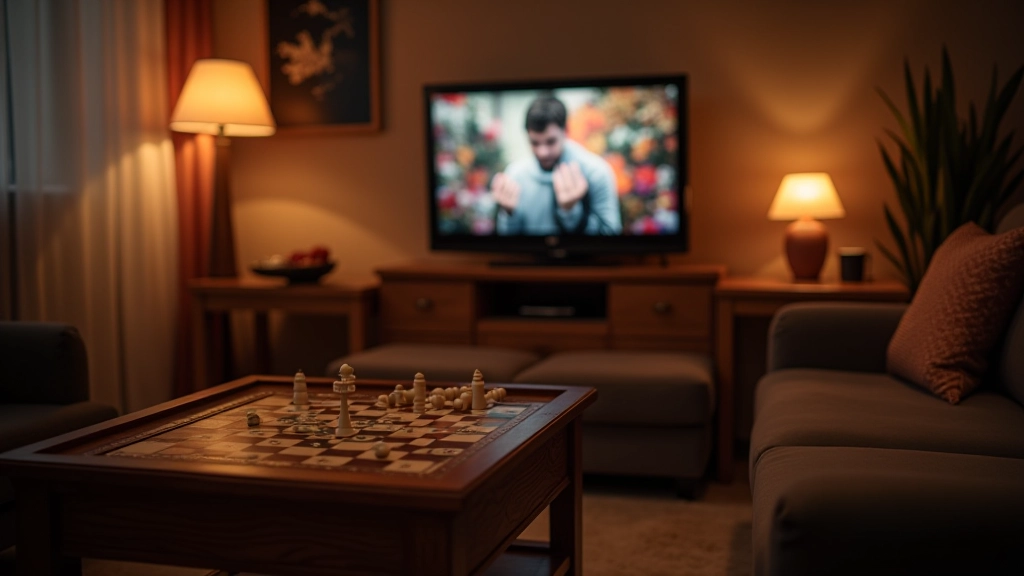
Where you play matters more than people realize. A cramped table where everyone's elbows are touching isn't conducive to a relaxed evening.
You'll want a table that's large enough for the game, snacks, and drinks — ideally at least 3-4 feet across. Seating should be comfortable but not so cozy that people feel trapped. Make sure there's good lighting. Playing in a dim room strains everyone's eyes and makes the whole experience feel off.
Temperature matters too. A slightly cool room is better than a warm one. People concentrate better, and you won't have that awkward moment halfway through when everyone's getting uncomfortable. We typically set the room to around 18-20°C before people arrive.
Have snacks and drinks ready. Not fancy — just water, some crisps, maybe some fruit. Games go better when people aren't hungry or thirsty. Plus, it gives people something to do during breaks or while waiting for their turn.
Explain the Rules Clearly (But Not Painfully)
Nothing kills momentum like spending 15 minutes reading rules aloud from the rulebook while everyone's eyes glaze over. But jumping into a game without explaining it is worse.
Here's the approach that works: explain the objective first. "We're building railways across America and whoever connects the most cities wins." That takes 30 seconds and people immediately understand what they're working toward. Then walk through one round step-by-step. Actually show them what a turn looks like. This is much faster than explaining the mechanics in abstract.
Keep a rulebook visible during the game. There will be questions. You won't remember every detail, and that's fine. Saying "Let me check the rulebook real quick" takes 20 seconds and beats everyone arguing about interpretation.
Quick Tips for Rule Explanation:
- Objective first, mechanics second
- Show one complete example turn
- Mention any special rules early
- Answer questions during the first round

Keep the Energy Up and Inclusive
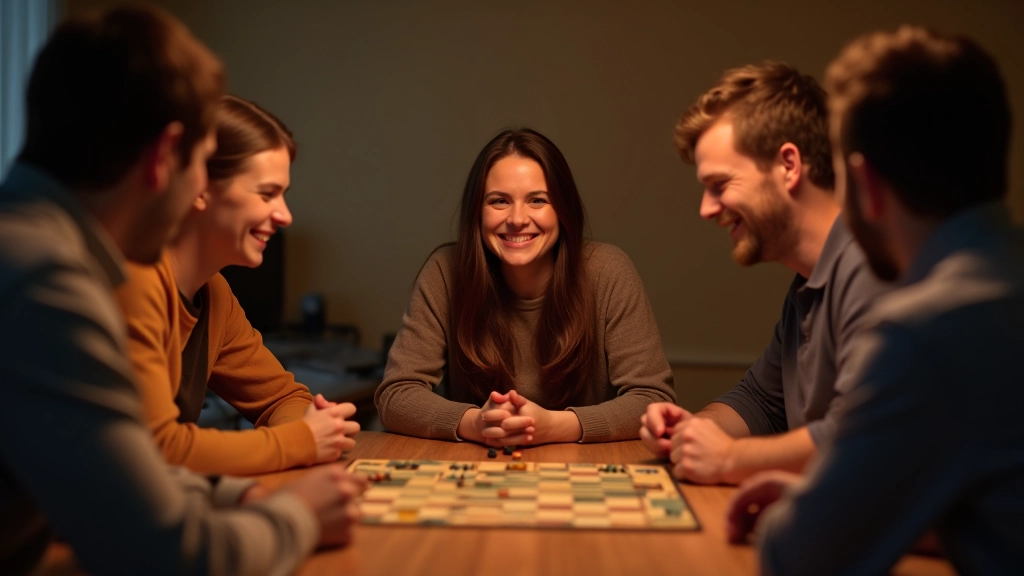
The best game nights don't feel like everyone's locked in intense competition. There's conversation, laughter, and the game is just the framework for hanging out.
If someone's having a rough turn, it's fine to joke about it or offer friendly commentary. That lightens the mood. Don't let the game become so serious that people feel stressed. The whole point is that everyone's enjoying themselves.
Watch for people who seem left out. Maybe someone's struggling with the rules or isn't as competitive as others. A quiet "How are you doing? Need any help?" makes a difference. You're not running a tournament — you're hosting friends.
After the first game, ask if everyone wants to play again or try something different. Don't assume people want to keep going. Some evenings are better as one-game nights with the rest of the time spent just talking. That's fine.
The Real Secret
Hosting a successful board game evening comes down to one thing: caring about whether your guests are having fun. That means choosing games they'll actually enjoy, making the space comfortable, explaining things clearly, and keeping the atmosphere relaxed.
It's not about owning the fanciest games or having the most elaborate setup. It's about showing your friends that you've thought about their experience. They'll remember that. And they'll definitely come back.
Start with one good game, comfortable seating, and clear rules. Everything else follows from there. Your first game night might not be perfect, and that's okay. You'll learn what works for your specific group. By the third or fourth time, you'll have figured out the rhythm that suits everyone.