
Setting Up a Home Cinema Without Spending Too Much
You don't need to spend thousands to create a great movie-watching experience at home. Here's how to build a setup that actually works, without breaking the bank.
Setting up a home cinema doesn't require a luxury budget. It's about making smart choices with what you spend and understanding what actually matters for a good viewing experience. We're talking about a comfortable setup where you can watch films without distractions — nothing more complicated than that.
The key is prioritizing the right equipment. A decent projector or large screen matters more than fancy furniture. Good sound makes a real difference too. And the room itself? You'd be surprised how much you can improve it with basic adjustments that cost almost nothing.
Choose Your Display Wisely
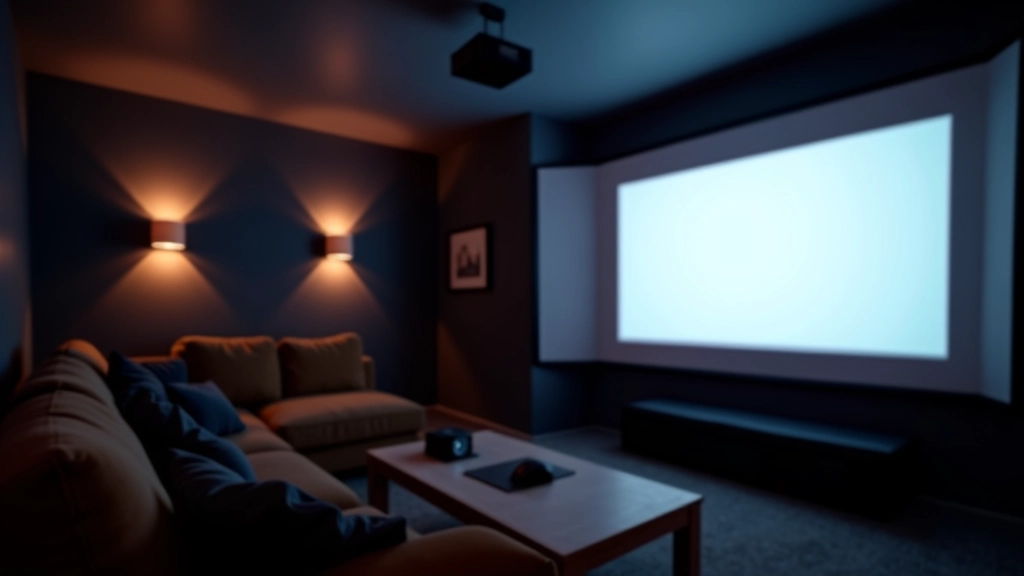
Your display is the heart of the setup. You've got two main routes: a projector or a large TV. A projector gives you that cinema feel with a bigger image, but you'll need a decent screen. TVs are simpler to set up and they're more affordable if you're buying now.
If you're going with a projector, you don't need the most expensive model. Mid-range projectors from brands like Epson or BenQ perform well for home use. They'll cost you 400-800 euros, and that's honestly a solid investment. The image quality is bright enough for a dark room, and the throw distance works for most living rooms.
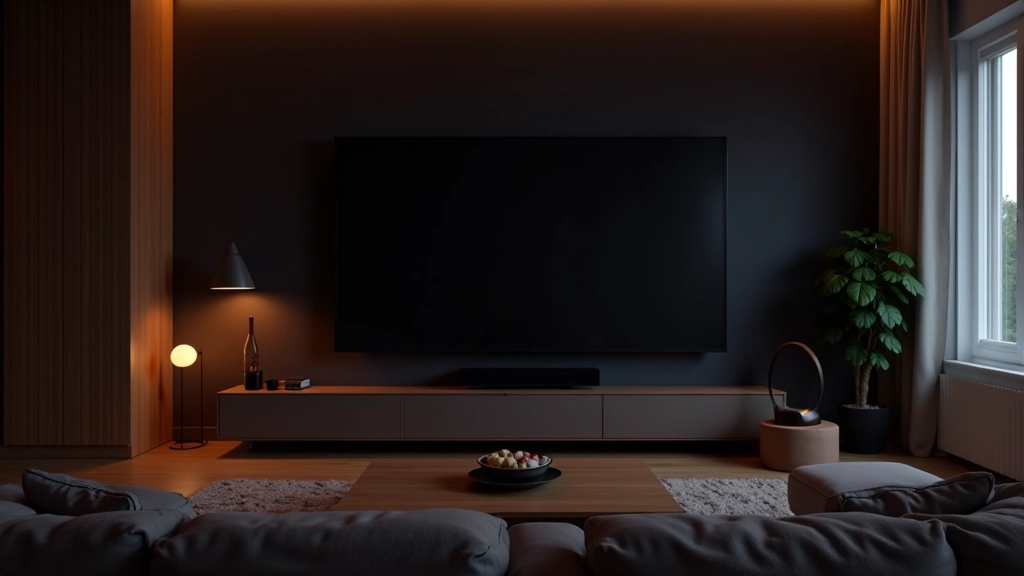
For a TV, anything 55 inches or larger starts to feel like cinema. 4K is nice to have, but 1080p content still looks good on modern panels. You can find solid 65-inch 4K TVs for under 600 euros these days. The real benefit? Setup takes minutes, not hours.
Budget tip: Last year's models are often discounted heavily. A 2025 projector at 30% off beats a new budget model every time.
What this guide covers: This article provides practical suggestions for building a home cinema setup on a budget. Product recommendations are based on general availability and typical performance. Actual prices, availability, and performance vary by region and retailer. We're not endorsing specific brands — these are examples of what's realistic to find in the market. Always check current reviews and specifications before purchasing.
Don't Skimp on Sound
Here's where people mess up. They'll spend 600 euros on a TV but use the built-in speakers. That's backwards. Sound makes up half the cinema experience. A movie with great audio on a basic screen beats great picture with terrible sound.
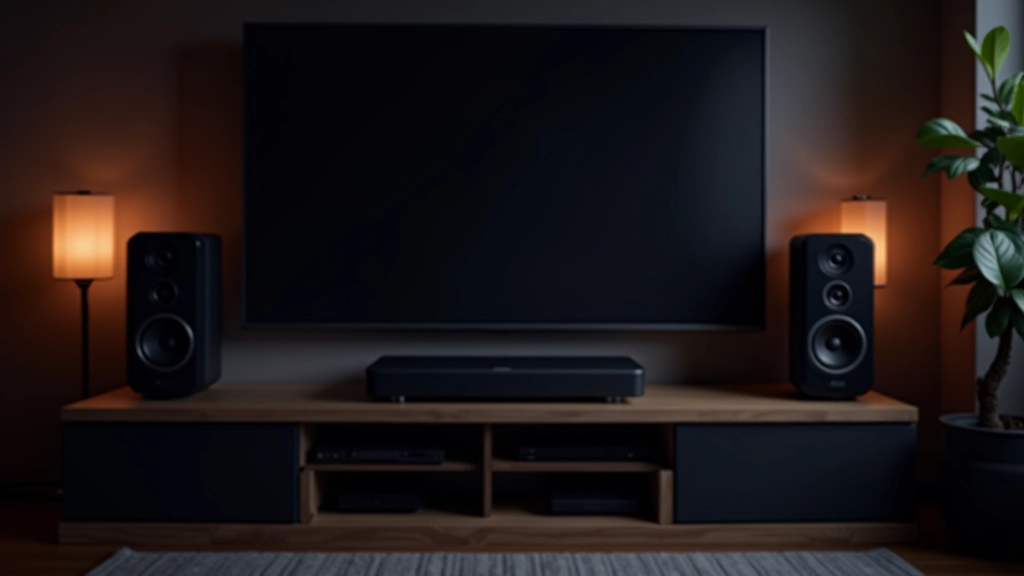
You don't need a full surround system to start. A good soundbar costs 150-300 euros and transforms everything. Brands like Sonos, Samsung, and LG make solid options. They handle dialogue clearly and give you proper bass without rattling the neighbors.
If you want to add surround speakers later, you can. Start with the soundbar, use it for a few months, then decide if you want more. Most people find a quality soundbar is enough for a typical living room. Subwoofers add impact for action films, but they're optional if you're budget-conscious.
- Position your soundbar at ear level when seated
- Avoid placing it inside a cabinet — sound needs space
- Test different audio modes — some work better for films
Control the Room Environment
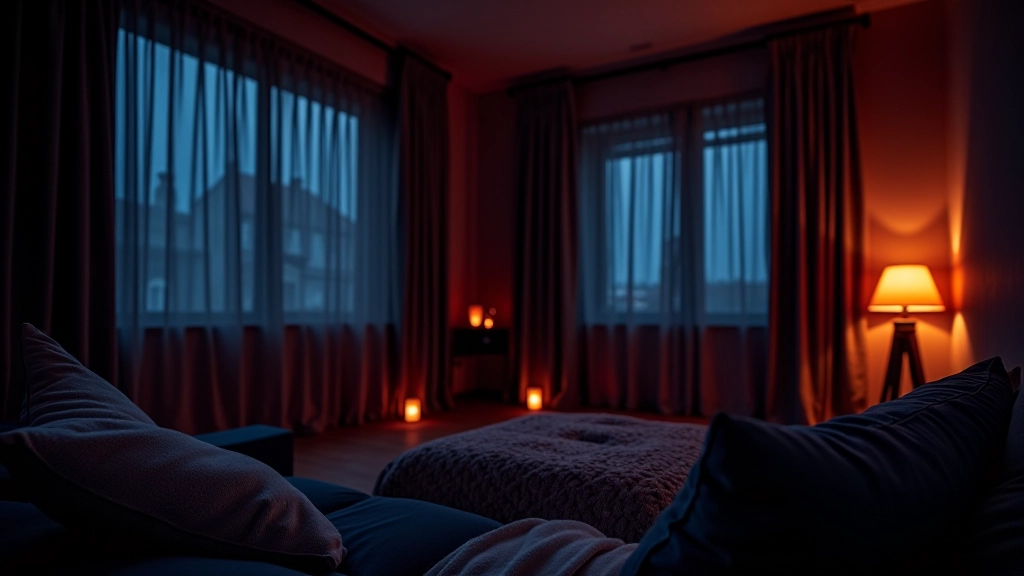
Your room matters more than you'd think. Dark rooms show images better, and controlling light costs almost nothing. Blackout curtains run 40-80 euros and make a real difference. They block outside light completely, which means your projector or TV looks brighter and colors appear more accurate.
Add soft accent lighting. A couple of LED strips behind the TV or projector screen create ambiance and reduce eye strain during viewing. They cost 15-25 euros and you can control them with your phone. Warm white light is best — cool white makes your eyes tired.
Sound treatment doesn't need to be expensive either. Heavy curtains, rugs, and furniture naturally absorb sound reflections. If you've got bare walls bouncing sound around, draping a blanket or adding acoustic panels (30-60 euros for basic panels) helps. The room becomes quieter and dialogue sounds clearer.
1
Get blackout curtains or blinds — essential for projectors, helpful for TVs
2
Add accent lighting — LED strips cost little, add lots of atmosphere
3
Place soft furnishings strategically — rugs and cushions improve sound
Seating and Comfort Matter
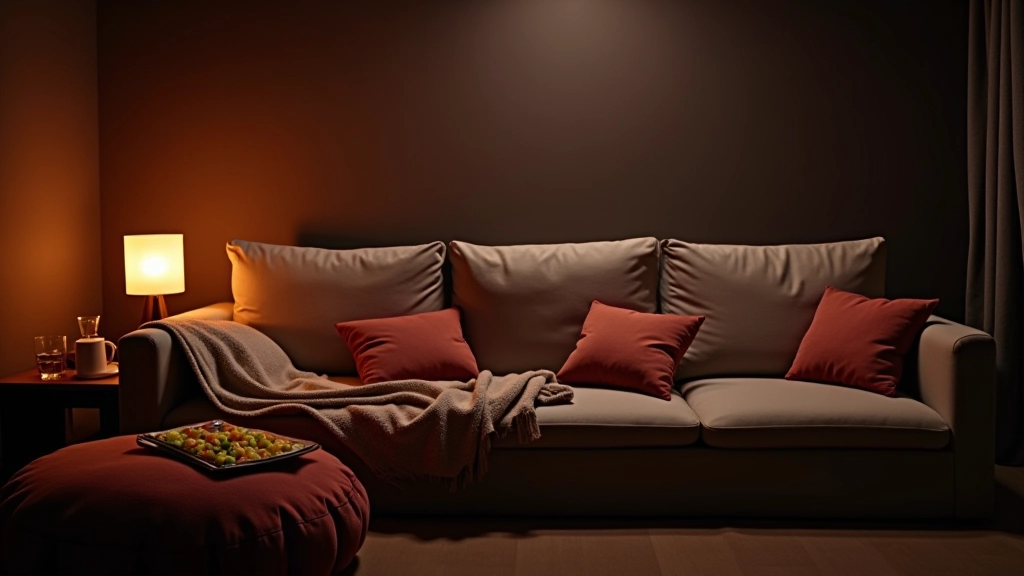
You're going to spend 2-3 hours sitting here. Uncomfortable seating ruins the experience, no matter how good your screen is. The good news? You don't need expensive recliners. A quality sofa plus some cushions and blankets works perfectly.
What you really need is good support for your back and neck. Adjustable cushions let everyone get comfortable without buying a 2,000-euro recliner. Add cup holders or a small side table for snacks and drinks. It's practical and keeps everything organized.
Arrange seating so everyone can see the screen without turning their heads. The ideal viewing distance is about 1.5 times the screen's width. So if you've got a 65-inch TV, sit about 2.4 meters back. It sounds specific, but it just means sitting far enough that the image fills your vision without being too close.
Putting It All Together
A solid home cinema setup comes together around 1,500-2,000 euros. That's a mid-range projector (700 euros), a decent soundbar (250 euros), blackout curtains and lighting (150 euros), and comfortable seating you probably already have. It's not a fortune, and it's spread across items that'll last years.
The real secret? Don't buy everything at once. Start with the display and soundbar. Use that for a month. Then add room improvements. Finally, upgrade seating if needed. This approach lets you understand what actually improves your experience, rather than guessing.
You'll end up with a space where you actually want to watch films. That's what this is about — not impressing people, but creating something you'll use regularly. And that's worth doing right.