Indoor Gardening Through Baltic Winters: A Beginner's Start
Growing fresh herbs and vegetables indoors isn't some mysterious skill reserved for experienced gardeners. We're going to walk you through exactly what you need to get started during those long Baltic winter months.
Why Indoor Gardening Makes Sense in Winter
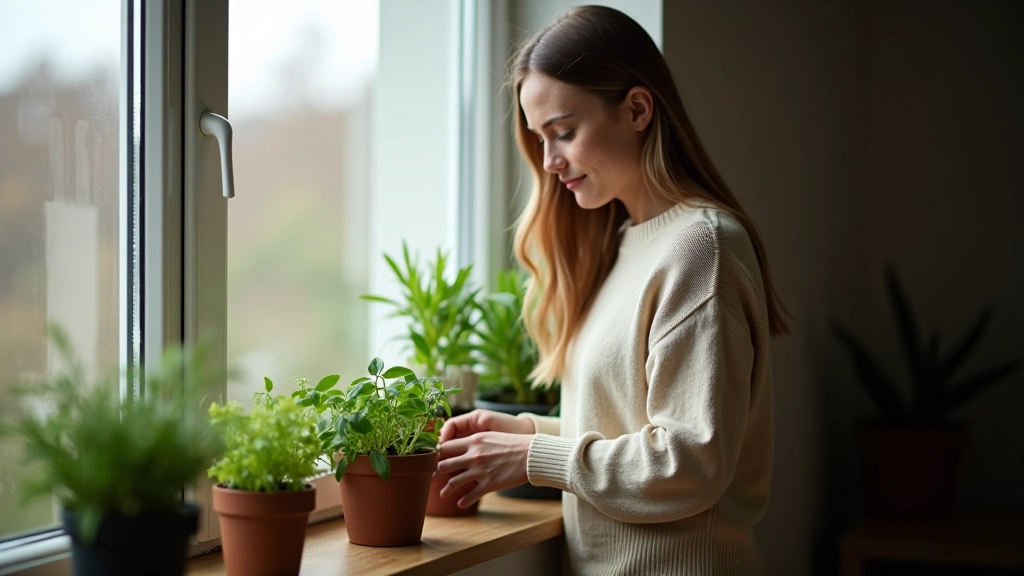
Winter in the Baltic region means three months of minimal sunlight and freezing temperatures. That's when indoor gardening becomes your secret weapon. You're not fighting nature — you're working with controlled conditions that actually give you more control than outdoor gardening ever could.
The thing is, most people think they need fancy equipment or a green thumb. You don't. What you need is basic understanding of light, water, and temperature. That's it. We've helped dozens of people go from "I kill every plant" to harvesting fresh basil in their kitchen by December.
- Fresh herbs available year-round
- Low maintenance compared to outdoor gardening
- Perfect for apartment living
- Cost-effective after initial setup
Essential Equipment You'll Actually Need
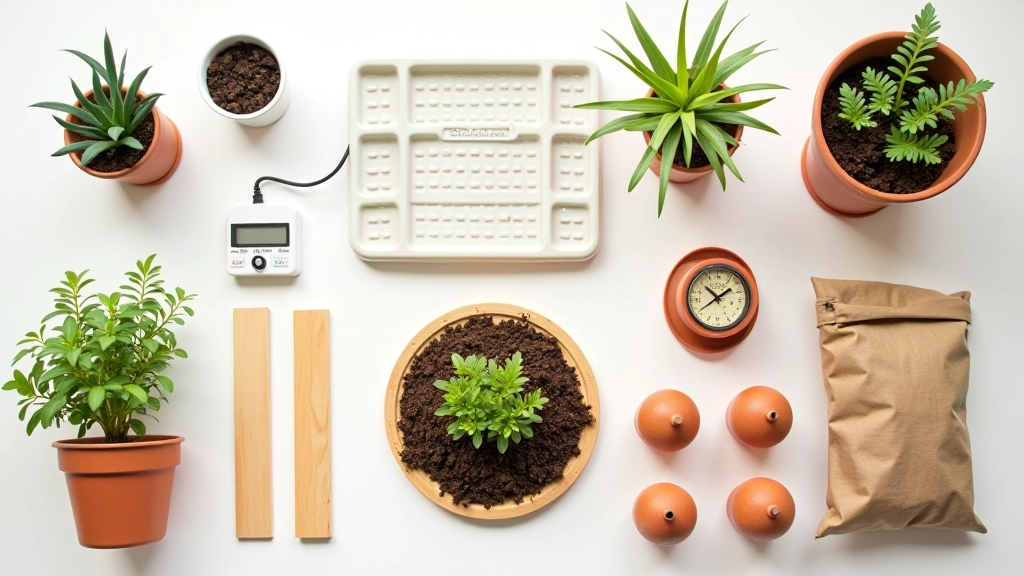
Don't spend hundreds of euros on grow lights and fancy systems. We've tested what actually works, and you can get started with under 60 euros of equipment.
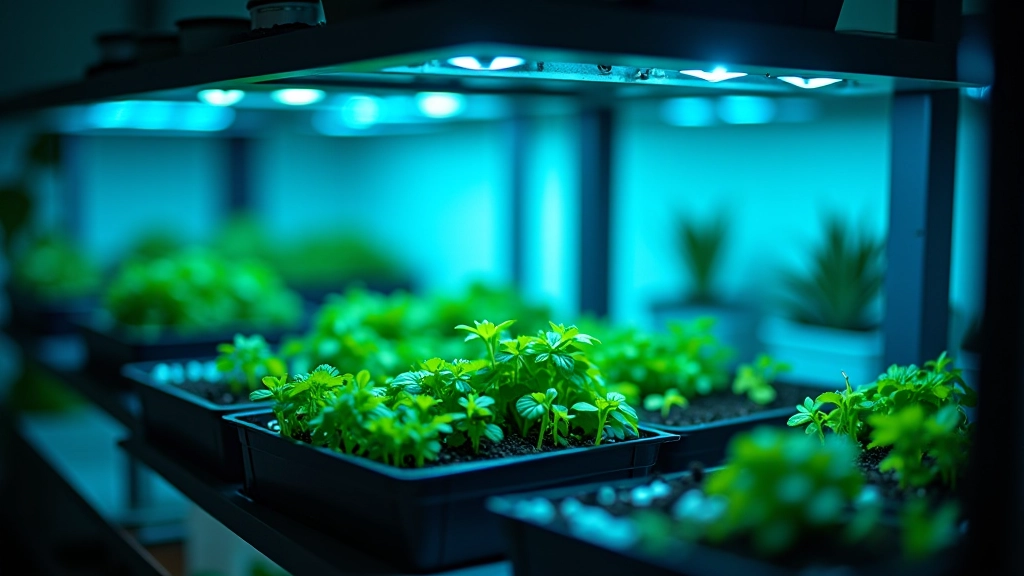
LED grow lights are the foundation. A standard 24-watt LED panel costs about 20-25 euros and covers roughly 0.5 square meters. Position it 15-20 centimeters above your seedlings. The key detail: most plants need 12-14 hours of light daily during Baltic winters. Set a timer — don't guess about the hours.
Containers matter less than people think. Drainage holes are non-negotiable, but you can repurpose yogurt containers or small plastic boxes. Seed-starting mix (peat-free varieties are better) runs about 8-10 euros per bag and covers multiple plantings.
Pro tip:
Buy a simple soil moisture meter for 5 euros. It eliminates the
guesswork of watering — the number one reason seedlings fail.
Information Disclaimer
This guide is educational information about indoor gardening techniques. Growing conditions vary based on your specific apartment, location within the Baltic region, and individual plant varieties. Consult seed packet instructions and local gardening resources for your specific climate zone. Results depend on proper care, environmental conditions, and individual attention to plant needs.
Starting Seeds: The First Two Weeks
Here's where most beginners mess up: they plant seeds too deep or too early in the season. Don't. Start seeds in early November for winter harvests. This gives you 2-3 months of growth before spring arrives.
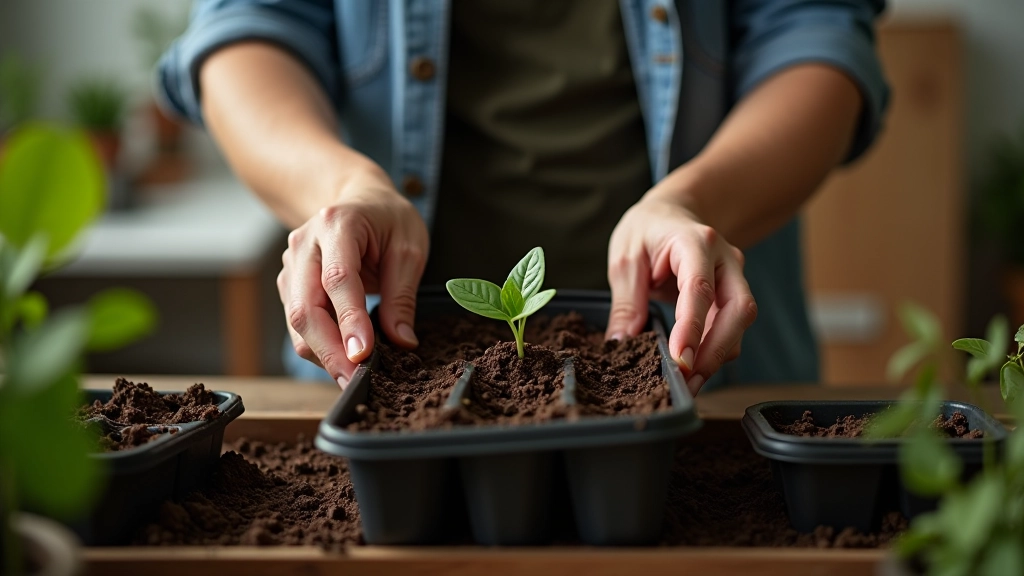
Follow the seed packet depth guidelines exactly — usually 3-5 millimeters for herbs like basil, parsley, and dill. Moisten your seed-starting mix before planting, then cover trays with plastic domes or wrap to maintain humidity. The soil should feel like a wrung-out sponge, not soggy.
Don't turn on the grow lights yet. Most seeds germinate better in darkness and warmth (20-24 degrees Celsius). Once you see green shoots breaking through the soil — usually 5-10 days — remove the covering and activate your lights. You'll notice seedlings reach toward the light within hours.
1
Prepare moist seed-starting mix in trays
2
Plant seeds at proper depth per packet
3
Cover and keep warm for 5-10 days
4
Uncover and activate grow lights daily
Weekly Care and Common Problems
Once seedlings are growing, your job becomes simple: maintain consistent light, proper moisture, and stable temperature. We're talking 15 minutes per week of actual work.
Watering is where beginners panic. Your moisture meter takes the guesswork out — keep soil between 50-70% moisture. Too wet causes root rot. Too dry and seedlings wilt. Check plants every 2-3 days. In winter, soil dries slower than summer, so you'll water less frequently than you'd expect.
Temperature fluctuations happen in Baltic apartments — especially near windows. Aim for 18-22 degrees Celsius. If you're below 16 degrees consistently, seedlings grow slower and may develop disease. If you're above 25 degrees, growth accelerates but plants become leggy (tall and weak).
Fungal issues appear as white powder on leaves or damping-off (seedlings collapse at soil line). This means humidity is too high or air circulation is too low. Solution: run a small fan on low speed for 2 hours daily. Sounds odd, but it works.
From Seedling to Harvest
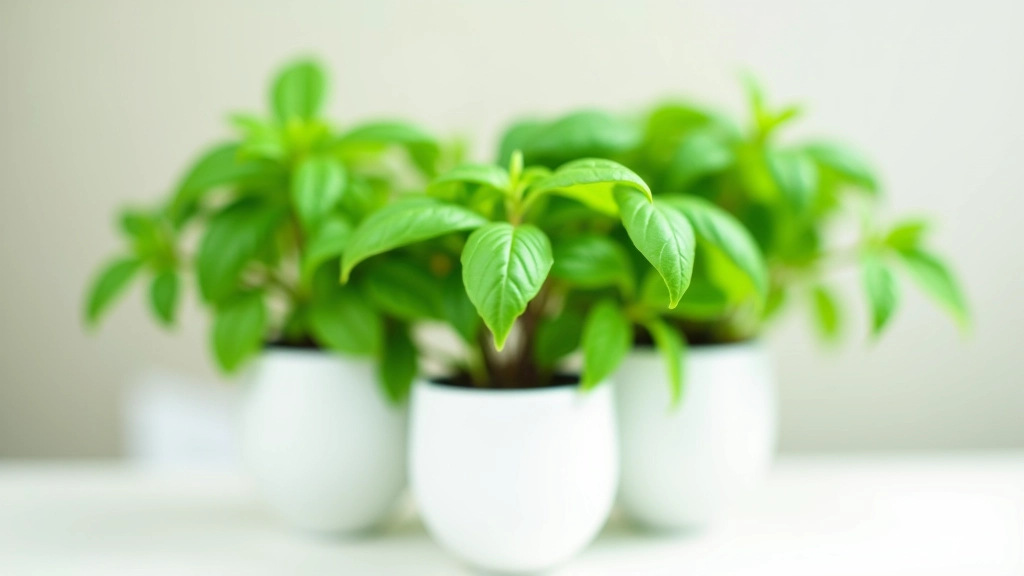
Most herbs reach harvestable size in 4-6 weeks from sprouting. Don't wait for plants to be "full sized" — start pinching leaves when they're 8-10 centimeters tall. This encourages bushier growth instead of a single leggy stem.
Basil produces new leaves continuously if you harvest correctly. Pinch off the top 2-3 leaves regularly, and you'll have fresh basil from December through February. Parsley and dill work similarly. The more you harvest, the more the plant produces.
By mid-December, you'll have fresh herbs to add to winter cooking. That's when indoor gardening shifts from "hobby project" to "actually useful." Your first batch of homegrown basil in your winter soup tastes different because it is different — fresh from your apartment, not shipped from somewhere warm.
Don't stop after one harvest cycle. Once you've succeeded once, growing becomes automatic. You'll naturally rotate new seeds every 3-4 weeks so you always have plants at different growth stages. Some people keep their indoor garden running year-round — harvesting fresh herbs even in July just because they can.
Your Winter Garden Starts Now
Indoor gardening isn't complicated. It's just: light, water, warmth, and patience. Start small with a single tray of basil seeds. Spend the money on a decent LED light and a moisture meter — everything else is flexible.
You'll probably kill some plants while learning. That's completely normal. Every gardener does. The difference between people who succeed and people who quit is that successful people try again. Your second batch will be better. Your third will be even better.
By January, you'll have fresh herbs in your kitchen during the darkest, coldest part of the Baltic winter. That's worth the small effort and investment. We're confident you can do this.